

Architectural Doors and Bespoke Joinery Solutions
Pivot, bifold, sliding, entrance, internal. Every door we manufacture is built at our Wairau Valley workshop on Auckland's North Shore, from timber selection through to glazing and hardware fit-out. As Registered Master Joiners and an Accoya Approved Manufacturer, we build to specifications that meet and exceed the New Zealand Building Code, and we deliver nationwide.
Custom timber doors, made in Wairau Valley since 2017
Pivot, bifold, sliding, entrance, internal. Every door we manufacture is built at our Wairau Valley workshop on Auckland's North Shore, from timber selection through to glazing and hardware fit-out. As Registered Master Joiners and an Accoya Approved Manufacturer, we build to specifications that meet and exceed the New Zealand Building Code, and we deliver nationwide.
Industry Membership
Registered Master Joiners
New Zealand's industry body for high-quality joinery manufacturers. Membership requires meeting strict standards for workmanship, business practice and customer protection.
Manufacturer Certification
Accoya Approved Manufacturers
Certified to manufacture with Accoya, the world's leading modified timber. Only approved manufacturers can pass on Accoya's long-term performance warranty to homeowners.
Performance Standard
JMF System
Built to the Joinery Manufacturers Federation system — the New Zealand standard for weathertightness and performance in residential timber joinery.
THE RANGE
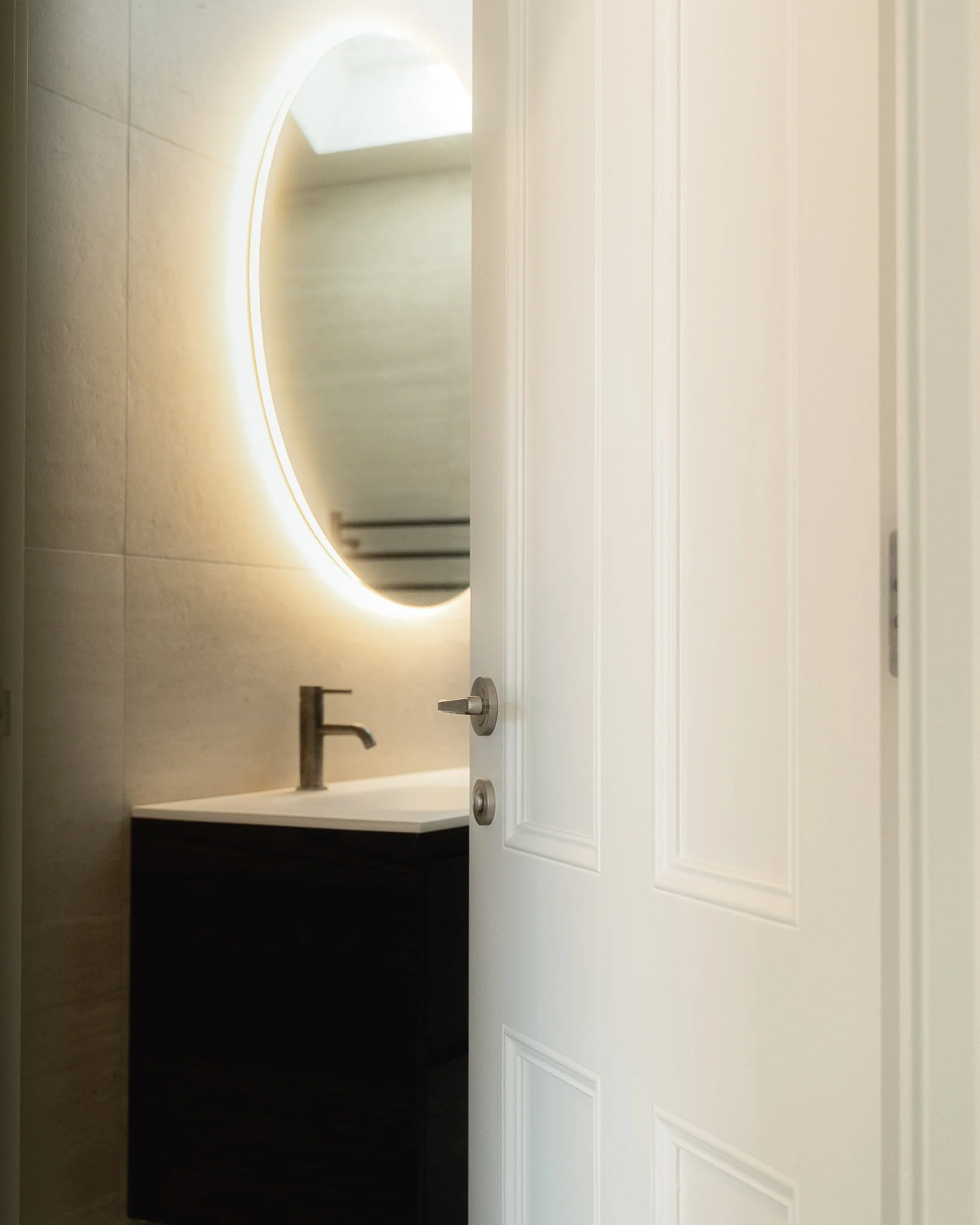
Every door we make is built to the specifications of the project, with glazing, hardware, timber species, profile and swing all confirmed at quote stage. Below is the full range we manufacture for residential and light-commercial builds across Auckland and New Zealand.
Our Timber Door Range



ALL PRODUCTS
Windows
- Timber Windows
- BiFold Windows
- Double Hung Windows
- Curved Windows
- Casement Hung Windows
- Bay Windows
- Awning Windows
- Louvres
- Fixed Windows
- Commercial Windows
Doors
- BiFold Doors
- Sliding Doors
- Commercial Doors
- French Doors
- Exterior Doors
- Internal Doors
- Entrance Doors
- Barn Doors
Other
- Commercial Timber Joinery
- Workstations
- Timber Machining
- Stair Treads
- & More
WHY TIMBER
Why Timber Outperforms Aluminium and uPVC
Aluminium corrodes. uPVC has a fixed lifecycle and ends up in landfill. A well-made timber door, looked after, lasts 50 to 80 years, and unlike the alternatives it can be repaired and refinished rather than replaced.
Performance Tested
Every JMF timber door we make is tested to hurricane-force winds and heavy rain. That's a manufacturing standard, not a marketing claim.
Thermal Efficiency
Timber's natural resistance to heat transfer outperforms aluminium frames, which conduct heat and cold straight through the building envelope. The result is lower energy bills and less condensation, especially through Auckland winters.
Durability Over Decades
Older buildings still standing on their original timber joinery are the proof. With maintenance, timber outlasts every alternative on the market.
Sustainability
Aluminium and uPVC are finite, non-renewable resources. Timber is the only carbon-capturing material in the joinery category, and our supply is backed by sustainable forestry.
COMPLIANCE
Built to Exceed the NZ Building Code
Every door we manufacture is built under the JMF System, the testing and manufacturing protocol developed by JMF New Zealand for timber joinery that meets and exceeds the New Zealand Building Code.
Performance That Matches the Coast and the Code.
That includes Clause H1 for thermal performance and Clause E2 for weathertightness, the two compliance standards that matter most for residential timber doors. Our doors are built to the JMF System — a tested manufacturing standard for timber joinery that meets the New Zealand Building Code.
Where the job calls for it, we go further. Coastal sites get additional weather seals. Higher wind-load zones get upgraded section strength. Larger sliders get quad rollers earlier than the minimums require, and bifold panels get mid-pivots fitted to every leaf — not only the taller units where it's specified.
For builders, that means joinery that ticks the consent boxes without you having to explain how. For homeowners, it means a door that performs against the conditions a New Zealand house actually faces, for decades of coastal and southerly exposure.
TESTIMONIAL
Trusted by Auckland's Builders
The builders who've worked with us once have generally kept working with us. Repeat trade clients are most of our calendar in any given month, and that's been true since we opened the workshop in 2017 - the product turns up when it's meant to, built the way it was specified.
“The timber joinery turned out perfect, massively changed the look of the house... The only complaint (from the homeowners) is that we didn't do all the rest of the joinery. ”
Memberships
RECENT WORK
Recent Timber Door Projects
Every door we manufacture is built under the JMF System, the testing and manufacturing protocol developed by JMF New Zealand for timber joinery that meets and exceeds the New Zealand Building Code.
Kingfisher Grove
Architectural pivot entry door using FritzJurgens European hardware — a statement piece for a grand New Zealand home.
View Project →St Stephen’s Ave
Heritage villa restoration with bay windows, villa entrance doors and sliding doors, crafted to modern performance standards.
View Project →Sylvan Avenue East
Bespoke timber joinery — premium windows and doors crafted for a beautiful and functional New Zealand home.
View Project →FAQS
Frequently Asked Questions
-
Lead times depend on the door type, the timber species and the current workshop schedule, but a custom timber door is generally 6 to 10 weeks from order confirmation to delivery. Pivot and bifold packages with custom hardware can sit at the longer end of that window. We'll confirm the exact timeline at quote stage.
-
Yes. Every door we manufacture is built under the JMF System and is designed to exceed the New Zealand Building Code, including Clause H1 for thermal performance and Clause E2 for weathertightness. Each door is tested to hurricane-force winds and heavy rain conditions before release.
-
Longer, with proper maintenance. A well-made timber door can last 50 to 80 years. Aluminium frames begin corroding over time, especially in coastal exposure, and uPVC has a fixed product lifecycle. The bigger difference is repairability - timber can be sanded back, refinished and re-coated over its life. Aluminium and uPVC can't.
-
Yes. Double glazing is available across our exterior door range - entrance, pivot, bifold, sliding and exterior doors. Acoustic glazing options are also available for sites near roads, airports or other noise-exposed locations. Glazing specification is confirmed at quote stage based on your site and performance requirements.
-
We offer flexible pricing based on project type and complexity. After an initial conversation, we’ll provide a transparent quote with no hidden costs.
-
Yes. We're based in Wairau Valley on Auckland's North Shore and service the wider Auckland region as standard. We also deliver timber joinery packages nationwide - get in touch with your project details and we'll confirm freight and lead time.
-
We use Fritsjurgens hardware on pivot doors. Hardware on the entrance, bifold and sliding ranges is specified to suit the door size, weight and use case, and is confirmed in writing at quote stage along with handle styles, hinge types and locking systems.

Get in Touch
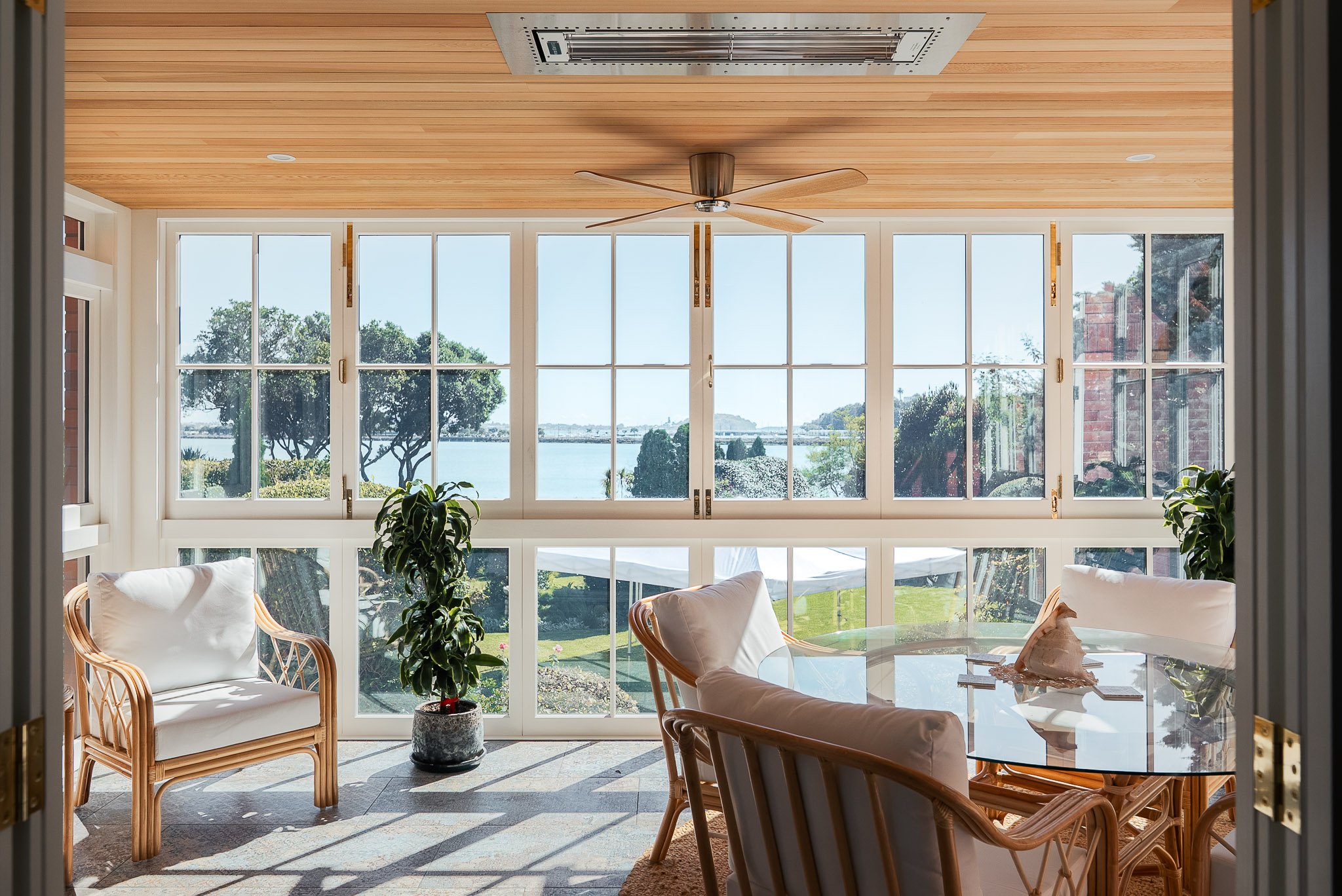
We’ll take a look at your plans or photos, prepare a quote and walk you through every step of the process.